HARMONY Platform
The platform that sees what others miss.
HARMONY recovers drugs that failed safety review and screens pipeline compounds before they fail. Built on a new branch of protein physics, it identifies exactly why a compound fails, then calculates, from first principles, a modified scaffold that clears it — no crystal structure or bound pose required.
How It Works
Four steps from failed compound to fix.
HARMONY does not require crystal structures or years of SAR data. It starts from the compound's chemical structure and derives everything else from physics.
1. Start With the Compound
All HARMONY needs is the compound's SMILES string — a standard text description of its chemical structure. No crystal structure. No bound pose.
2. Scan the Safety Panel
The compound is screened against a 53-protein safety panel spanning five liability classes — the gates that end programs, from hERG and ion channels to CYP enzymes and off-target CNS binding.
3. Pinpoint the Failure
HARMONY calculates the physical signature that governs how each protein responds to the compound, identifying the exact protein and mechanism behind the safety failure. This step is what no other platform can perform.
4. Generate the Fix
The generative recovery loop proposes a structurally modified analog engineered to clear the failing gate while preserving the original target engagement. A 50-point safety filter runs inside every generation loop, so unsafe molecules cannot be produced by design.
The Science
Built on a new branch of physics.
Why safety problems get missed, and how HARMONY finds them.
The Blind Spot
A compound can work well on its intended target and still interact with a protein it shouldn't, like a cardiac ion channel or a metabolic enzyme. These hidden liabilities often don't show up until late in development, after years of work have gone into the molecule.
The Cost of Missing It
When a safety problem surfaces late, the research, trials and investment behind a compound can be written off. HARMONY finds the cause early, and for drugs that already failed, it designs a fix so that work isn't lost.
What HARMONY Found
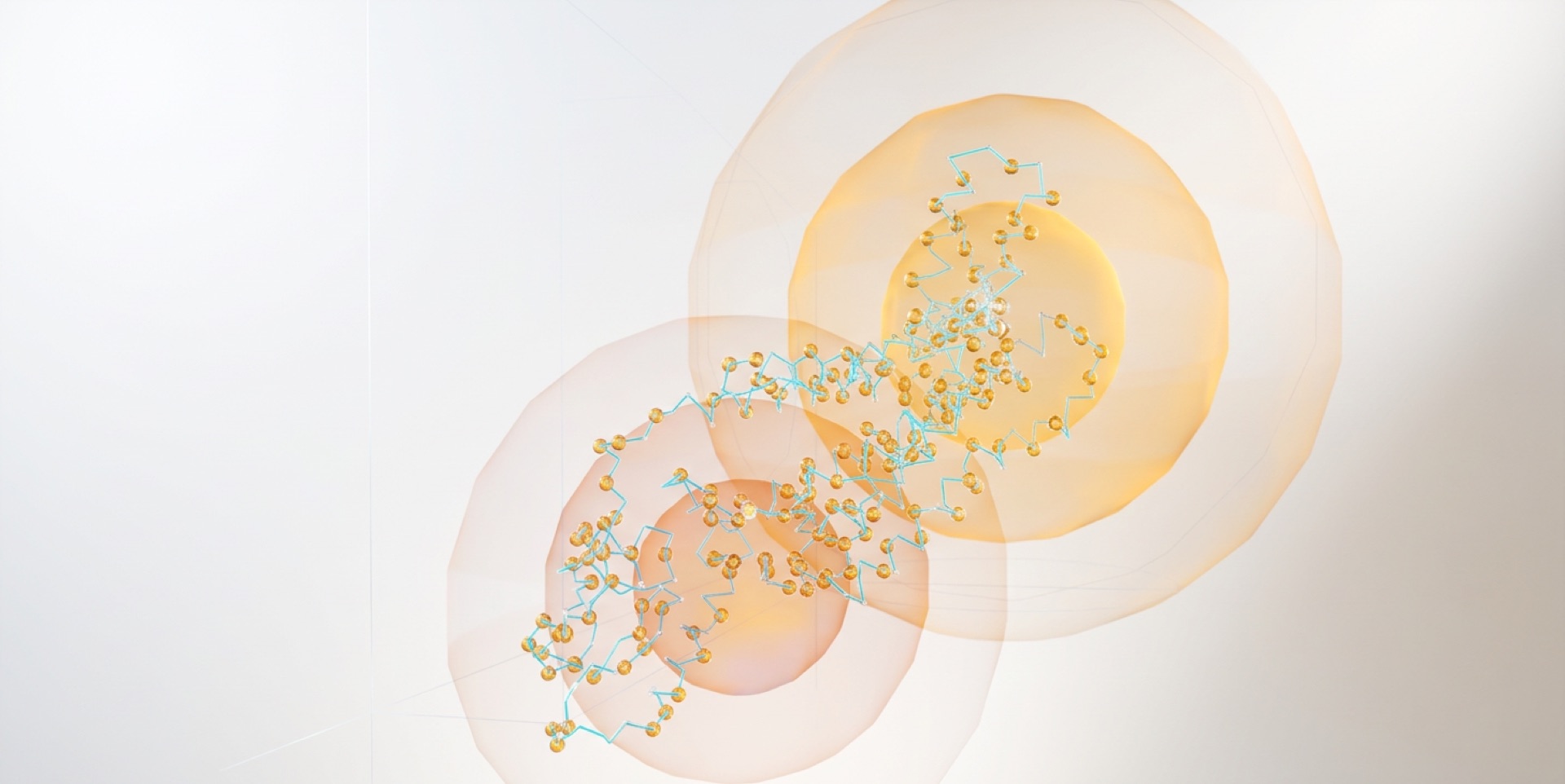
Every protein carries a physical resonance signature that governs how it responds to a drug. InfiniGraph discovered this signature. The governing equations are derived from first principles.
Physics, Not Guesswork
HARMONY does not guess and get lucky. It computes and gets right. The same compound always produces the same result. That reproducibility is what makes HARMONY credible to regulators, partners, and the scientific community.
Under the Hood
Technical overview.
What goes in, what HARMONY checks, and what comes out.
- Input
- The compound's SMILES string, a standard text format for chemical structure
- Not required
- Crystal structure or bound pose
- Safety panel
- 53 proteins across five liability classes
- Core method
- Physics-based protein signatures, derived from first principles
- Generation
- A generative recovery loop with a safety filter built into every cycle
- Output
- Modified analogs that clear the failing gate while preserving original target engagement
- Reproducibility
- The same compound always produces the same result
- Intellectual property
- 7 USPTO provisional patents, 210+ claims filed and 9 composition-of-matter families
Key areas the safety panel covers
Cardiac
hERG & ion channels
hERG is a heart channel that keeps the heartbeat in rhythm. Blocking it can cause dangerous arrhythmias, one of the most common reasons drugs are dropped.
Hepatic / Metabolic
CYP enzymes
CYP enzymes are the liver's processing machinery. Blocking them can cause risky interactions with other medicines.
CNS
Off-target binding
Unintended activity in the brain can cause sedation, mood changes or seizures. HARMONY flags it before a molecule is made.